5 min read

If your Meta Ads performance has felt unpredictable lately, you're not imagining it. Meta quietly rolled out its biggest advertising system change in years, a new AI-powered engine called Andromeda, and it fundamentally changes how your ads reach people.

This guide breaks it down in plain English, with practical advice specifically for drinks and spirits brands.

What Actually Changed?

Previously, you (the advertiser) told Meta who should see your ads. You'd pick audiences based on interests, demographics, and lookalikes, then let the system optimise from there.

Andromeda flips that on its head. Now, Meta decides who sees your ads based on the creative itself. The algorithm reads your images, video, copy and design, and matches each individual ad to the user most likely to engage with it, in real time.

In short: your targeting settings matter far less. Your creative matters far more.

Why This Hits Drinks Brands Hard

Most drinks brands have historically leaned on a fairly narrow creative approach. Beautiful bottle shots, lifestyle imagery, maybe a cocktail serve or two. That's not enough anymore.

Under Andromeda, if your ads all look and feel similar, Meta sees them as repetitive. The system will actually penalise your account with higher CPMs (the cost to reach people) because it interprets a lack of creative diversity as content fatigue.

That means a feed full of the same bottle on different backgrounds won't cut it. You need genuinely different creative angles.

Campaign Structure: Keep It Simple

Andromeda works best with simplified campaign structures. The old approach of splitting everything into dozens of ad sets with different audiences actually hurts performance now.

The recommended setup is:

  • One campaign per objective (e.g., one for purchases, one for awareness)
  • Two ad sets per campaign: one for cold prospecting and one for retargeting
  • Broad targeting on prospecting, with no interest or lookalike layering, just exclude existing customers
  • Advantage+ Creative turned on so Meta can optimise placements and formats
  • CBO (Campaign Budget Optimisation) to let the algorithm allocate spend

What you want to avoid is the old approach of splitting prospecting into loads of ad sets by interest or lookalike ("gin lovers", "health-conscious 25 to 34", "competitor followers" and so on). Andromeda handles that matching itself now through the creative, so fragmenting your budget across lots of narrow ad sets just starves each one of data and slows the learning.

The exception would be if you have genuinely different conversion goals or products. For example, if you're running both DTC and retail-driving campaigns, those should be separate campaigns because the objective and measurement are fundamentally different. But within each, keep the ad set count low and let the creative do the segmentation work.

Cold Audience Creative: 8 to 12 Concepts

Your prospecting ad set is where creative diversity matters most. These people don't know you yet, so you're trying to give Andromeda a range of hooks to match different people with different motivations. Aim for 8 to 12 genuinely distinct concepts:

1. The Founder / Brand Story
Why does this product exist? What's the mission? A short clip of the founder talking about the brand, or a behind-the-scenes look at the team. This works especially well for challenger brands trying to stand out against bigger players.

2. The Product Story
Your liquid, your process, your ingredients. What makes the drink itself special? Think close-up pours, ingredient sourcing, production craft. Let the product do the talking.

3. Education / Myth-Busting
"What actually is a non-alc spirit?" or "Why does single malt cost more?" Content that teaches while selling. Bold claims work well here too: "You won't believe this isn't gin" or "Zero sugar, full flavour."

4. The Occasion
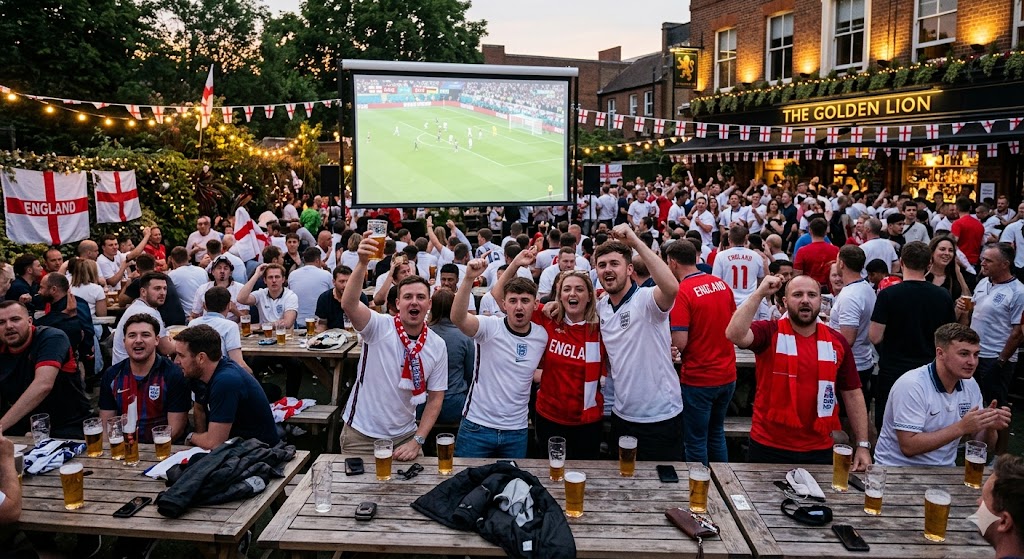
When and where does someone reach for your product? A Friday night in, a summer BBQ, a dinner party, a quiet midweek moment. Each occasion is a separate creative angle, so don't bundle them all into one ad.

5. The Serve
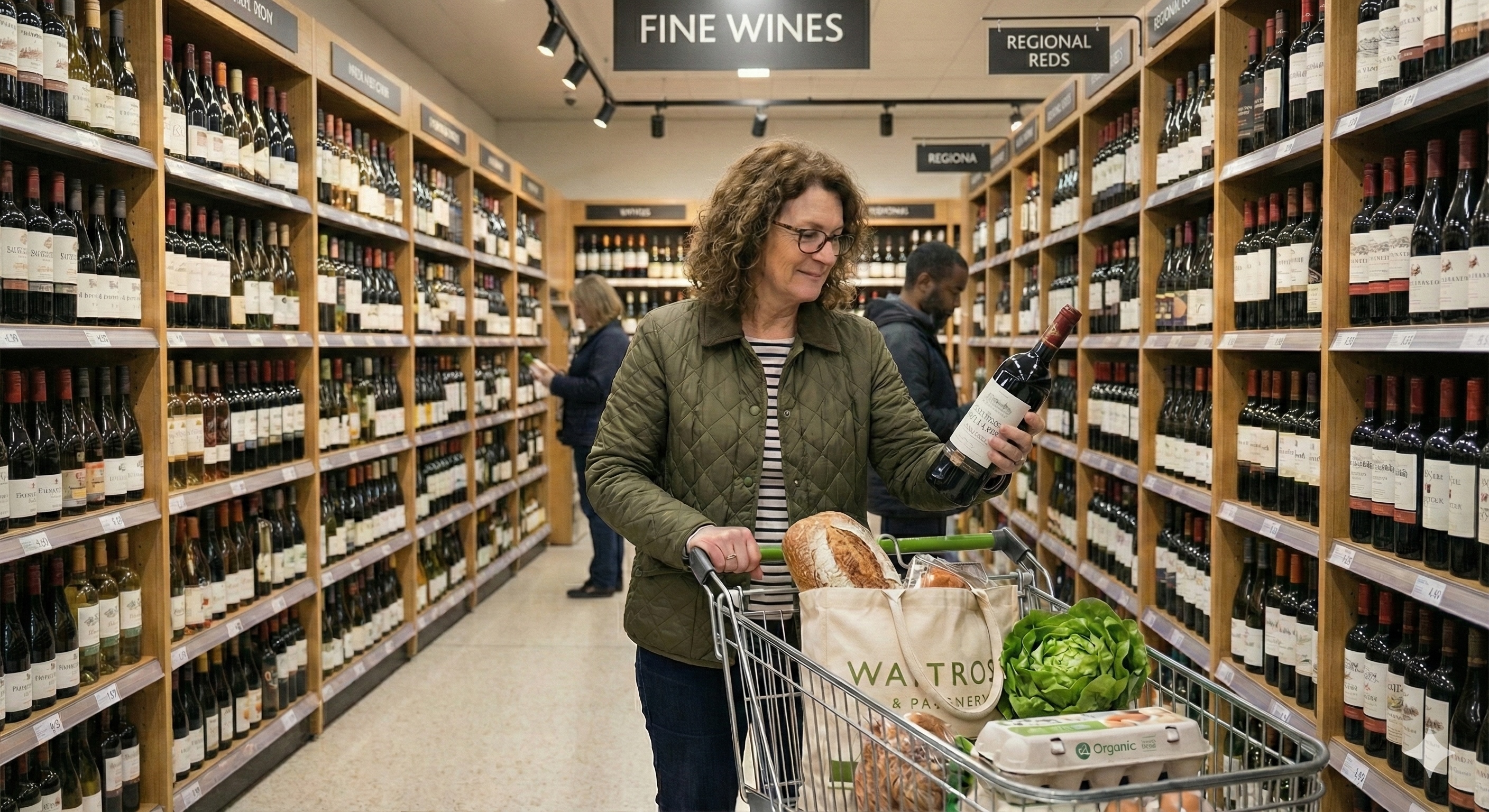
How do you drink it? Simple serves, cocktail recipes, food pairings. Each one is its own creative concept. A G&T serve is a completely different angle to an espresso martini twist.

6. Lifestyle
Who drinks this? Aspirational but authentic lifestyle content that reflects your target drinker's world, without necessarily showing the product front and centre.

7. Social Proof
Press coverage, awards, customer reviews, influencer mentions. Let someone else do the talking. Instant credibility for someone who has never heard of you.

8. UGC-Style Content
User-generated or influencer content that feels less like an ad and more like a recommendation. This format consistently outperforms polished brand content in cold audiences.

9. Dynamic Product Ads (Catalogue Ads)
If you have a product catalogue set up (which most Shopify brands will), Meta can now serve dynamic product ads to cold audiences too, not just retargeting. The algorithm picks which product from your catalogue to show each person based on their behaviour and interests. This works best when you have a decent range of SKUs (different flavours, formats, gift sets). You're not designing this creative from scratch, but you can still influence how it looks with frames, overlays, and copy templates. Make sure your product imagery is strong, your titles are clean, and your pricing is accurate, because that is the creative quality for catalogue ads.

The key is that each one of these should feel like a completely different ad, not a variation on a theme. Different visuals, different hooks, different tone. That's what Andromeda needs to work with.

Retargeting Creative: 4 to 6 Concepts

Your retargeting ad set speaks to people who already know you (website visitors, add-to-carts, past purchasers). The job here is different. You're overcoming the last bit of hesitation and nudging them to buy. The creative pool can be smaller, but more focused:

1. Social Proof
Customer reviews, star ratings, "over 10,000 sold." Reassurance for someone who's on the fence.

2. Offers and Bundles
Free delivery, multipack savings, gift sets. Give them a reason to act now rather than later.

3. The Reminder
A simple, clean product shot with a direct CTA like "Still thinking about it?" or "Your basket is waiting." Straightforward and effective.

4. Food Pairing or Recipe Content
Give them a reason to buy now. "Perfect with Sunday roast" or "Three cocktails you can make in under a minute."

5. The Gifting Angle
"Not sure what to get them?" Works well if you have gift-ready packaging, especially around key gifting periods like Christmas, Father's Day, or Valentine's Day.

6. Dynamic Product Ads (Catalogue Ads)
This is arguably your strongest retargeting format. If you have a product catalogue connected, dynamic ads will show people the exact products they've already viewed or added to basket. They work alongside your manually created retargeting creative, not instead of it. The DPA handles the "here's what you looked at" job, while your other retargeting concepts handle the broader persuasion. As with prospecting, make sure your feed is in good shape: strong imagery, accurate pricing, and clean product titles all make a difference.

The retargeting creative should feel warmer and more familiar. They've already seen the brand, so you don't need to introduce yourself again. It's about reassurance and a gentle push.

The mistake most brands make is running the same creative across both audiences. If someone saw your founder story in prospecting and then gets served the exact same ad in retargeting, that's a wasted touchpoint.

How Many Personas Should You Target?

Under Andromeda, you're not manually targeting personas the way you used to. Instead, your creative acts as the targeting. Each distinct creative angle effectively speaks to a different persona, and Meta's AI matches it to the right person.

For most drinks brands, 3 to 5 core personas is the sweet spot. More than that and you'll struggle to produce enough quality creative to serve each one. Fewer than that and you're not giving the algorithm enough diversity to work with.

Here's an example for a premium non-alcoholic spirits brand:

Persona Who They Are Creative Angle That Speaks to Them
The Sober-Curious Explorer 25 to 35, health-conscious, wants to cut back but not miss out Occasion-based content: "Your Friday night, upgraded"
The Designated Driver Social drinker who wants something better than lime and soda Serve-focused: sophisticated cocktail recipes
The Gifter Buying for someone else, doesn't know the category well Social proof + product story: awards, press, "what's in the box"
The Wellness-Led Buyer Actively avoids alcohol for health reasons, reads ingredients Education + founder story: what's in it, why it exists
The Foodie / Entertainer Loves hosting, always looking for something interesting to serve Food pairings, dinner party content, premium lifestyle

How to Research Your Personas

You don't need expensive research tools. Here's a practical approach:

Mine your existing data. Look at your Shopify or website analytics. Who's actually buying? What pages do they visit before purchasing? What search terms bring them in? If you're running Meta Ads already, check Audience Insights for demographic and interest data on your converters.

Read your reviews. Customer reviews (on your site, Amazon, or Trustpilot) are a goldmine. Look for patterns in why people bought, who they bought for, and what they say they love. These are your creative angles spelled out for you.

Stalk the comments. Go through the comments on your own social posts and your competitors'. What questions do people ask? What objections come up? What language do they use? This gives you both persona insight and ad copy ideas.

Use Reddit and forums. Search for your category on Reddit (r/nonalcoholic, r/cocktails, r/whisky). Real, unfiltered opinions from real drinkers. Look for recurring themes, frustrations, and desires.

Talk to your retail partners. If you're in Waitrose, Ocado, or Sainsbury's, your buyer or account manager can tell you about shopper behaviour in the category. Who's buying, when, and what else goes in the basket.

Survey your existing customers. Even a simple post-purchase email asking "What made you try us?" and "Who else would love this?" gives you persona data straight from the source.

Refreshing Your Creative

Under Andromeda, ad fatigue happens faster. Even your best performers will start to decline after 2 to 4 weeks. Plan for a fortnightly or monthly creative refresh cycle.

This doesn't mean starting from scratch every two weeks. It means having a rolling pipeline where you're always introducing a couple of new concepts while retiring the ones that have fatigued. Keep an eye on these signals:

  • Rising CPMs mean your creative is getting stale
  • High Creative Similarity score (a new Meta metric) means you need more diversity
  • Declining CTR means people have seen it too many times

The Bottom Line

Andromeda rewards brands that think like content creators, not just advertisers. For drinks brands, this means moving beyond the bottle shot and building a diverse creative library that speaks to different people, different occasions, and different motivations.

The brands that adapt early will see lower costs and better returns. The ones that keep running the same three ads will wonder why their CPMs keep climbing.

Start with your personas, build your creative angles, keep the pipeline fresh, and let Meta's AI do the matching. That's the game now.
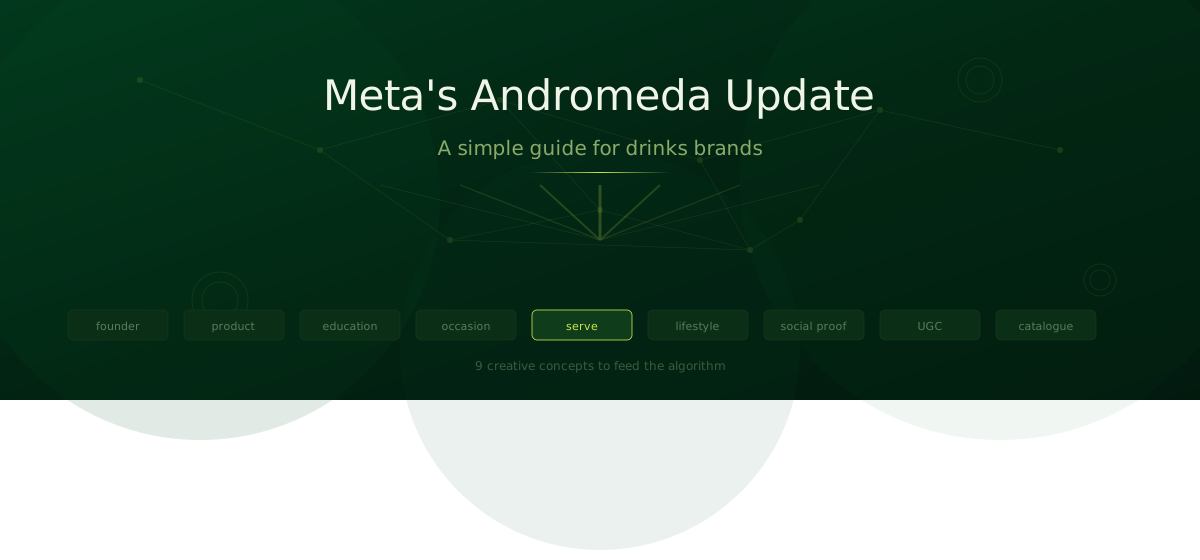
Meta's Andromeda Update: A Simple Guide for Drinks Brands

Written by
Rob Tutty
Published on
March 24, 2026
Copy link

If your Meta Ads performance has felt unpredictable lately, you're not imagining it. Meta quietly rolled out its biggest advertising system change in years, a new AI-powered engine called Andromeda, and it fundamentally changes how your ads reach people.

This guide breaks it down in plain English, with practical advice specifically for drinks and spirits brands.

What Actually Changed?

Previously, you (the advertiser) told Meta who should see your ads. You'd pick audiences based on interests, demographics, and lookalikes, then let the system optimise from there.

Andromeda flips that on its head. Now, Meta decides who sees your ads based on the creative itself. The algorithm reads your images, video, copy and design, and matches each individual ad to the user most likely to engage with it, in real time.

In short: your targeting settings matter far less. Your creative matters far more.

Why This Hits Drinks Brands Hard

Most drinks brands have historically leaned on a fairly narrow creative approach. Beautiful bottle shots, lifestyle imagery, maybe a cocktail serve or two. That's not enough anymore.

Under Andromeda, if your ads all look and feel similar, Meta sees them as repetitive. The system will actually penalise your account with higher CPMs (the cost to reach people) because it interprets a lack of creative diversity as content fatigue.

That means a feed full of the same bottle on different backgrounds won't cut it. You need genuinely different creative angles.

Campaign Structure: Keep It Simple

Andromeda works best with simplified campaign structures. The old approach of splitting everything into dozens of ad sets with different audiences actually hurts performance now.

The recommended setup is:

  • One campaign per objective (e.g., one for purchases, one for awareness)
  • Two ad sets per campaign: one for cold prospecting and one for retargeting
  • Broad targeting on prospecting, with no interest or lookalike layering, just exclude existing customers
  • Advantage+ Creative turned on so Meta can optimise placements and formats
  • CBO (Campaign Budget Optimisation) to let the algorithm allocate spend

What you want to avoid is the old approach of splitting prospecting into loads of ad sets by interest or lookalike ("gin lovers", "health-conscious 25 to 34", "competitor followers" and so on). Andromeda handles that matching itself now through the creative, so fragmenting your budget across lots of narrow ad sets just starves each one of data and slows the learning.

The exception would be if you have genuinely different conversion goals or products. For example, if you're running both DTC and retail-driving campaigns, those should be separate campaigns because the objective and measurement are fundamentally different. But within each, keep the ad set count low and let the creative do the segmentation work.

Cold Audience Creative: 8 to 12 Concepts

Your prospecting ad set is where creative diversity matters most. These people don't know you yet, so you're trying to give Andromeda a range of hooks to match different people with different motivations. Aim for 8 to 12 genuinely distinct concepts:

1. The Founder / Brand Story
Why does this product exist? What's the mission? A short clip of the founder talking about the brand, or a behind-the-scenes look at the team. This works especially well for challenger brands trying to stand out against bigger players.

2. The Product Story
Your liquid, your process, your ingredients. What makes the drink itself special? Think close-up pours, ingredient sourcing, production craft. Let the product do the talking.

3. Education / Myth-Busting
"What actually is a non-alc spirit?" or "Why does single malt cost more?" Content that teaches while selling. Bold claims work well here too: "You won't believe this isn't gin" or "Zero sugar, full flavour."

4. The Occasion
When and where does someone reach for your product? A Friday night in, a summer BBQ, a dinner party, a quiet midweek moment. Each occasion is a separate creative angle, so don't bundle them all into one ad.

5. The Serve
How do you drink it? Simple serves, cocktail recipes, food pairings. Each one is its own creative concept. A G&T serve is a completely different angle to an espresso martini twist.

6. Lifestyle
Who drinks this? Aspirational but authentic lifestyle content that reflects your target drinker's world, without necessarily showing the product front and centre.

7. Social Proof
Press coverage, awards, customer reviews, influencer mentions. Let someone else do the talking. Instant credibility for someone who has never heard of you.

8. UGC-Style Content
User-generated or influencer content that feels less like an ad and more like a recommendation. This format consistently outperforms polished brand content in cold audiences.

9. Dynamic Product Ads (Catalogue Ads)
If you have a product catalogue set up (which most Shopify brands will), Meta can now serve dynamic product ads to cold audiences too, not just retargeting. The algorithm picks which product from your catalogue to show each person based on their behaviour and interests. This works best when you have a decent range of SKUs (different flavours, formats, gift sets). You're not designing this creative from scratch, but you can still influence how it looks with frames, overlays, and copy templates. Make sure your product imagery is strong, your titles are clean, and your pricing is accurate, because that is the creative quality for catalogue ads.

The key is that each one of these should feel like a completely different ad, not a variation on a theme. Different visuals, different hooks, different tone. That's what Andromeda needs to work with.

Retargeting Creative: 4 to 6 Concepts

Your retargeting ad set speaks to people who already know you (website visitors, add-to-carts, past purchasers). The job here is different. You're overcoming the last bit of hesitation and nudging them to buy. The creative pool can be smaller, but more focused:

1. Social Proof
Customer reviews, star ratings, "over 10,000 sold." Reassurance for someone who's on the fence.

2. Offers and Bundles
Free delivery, multipack savings, gift sets. Give them a reason to act now rather than later.

3. The Reminder
A simple, clean product shot with a direct CTA like "Still thinking about it?" or "Your basket is waiting." Straightforward and effective.

4. Food Pairing or Recipe Content
Give them a reason to buy now. "Perfect with Sunday roast" or "Three cocktails you can make in under a minute."

5. The Gifting Angle
"Not sure what to get them?" Works well if you have gift-ready packaging, especially around key gifting periods like Christmas, Father's Day, or Valentine's Day.

6. Dynamic Product Ads (Catalogue Ads)
This is arguably your strongest retargeting format. If you have a product catalogue connected, dynamic ads will show people the exact products they've already viewed or added to basket. They work alongside your manually created retargeting creative, not instead of it. The DPA handles the "here's what you looked at" job, while your other retargeting concepts handle the broader persuasion. As with prospecting, make sure your feed is in good shape: strong imagery, accurate pricing, and clean product titles all make a difference.

The retargeting creative should feel warmer and more familiar. They've already seen the brand, so you don't need to introduce yourself again. It's about reassurance and a gentle push.

The mistake most brands make is running the same creative across both audiences. If someone saw your founder story in prospecting and then gets served the exact same ad in retargeting, that's a wasted touchpoint.

How Many Personas Should You Target?

Under Andromeda, you're not manually targeting personas the way you used to. Instead, your creative acts as the targeting. Each distinct creative angle effectively speaks to a different persona, and Meta's AI matches it to the right person.

For most drinks brands, 3 to 5 core personas is the sweet spot. More than that and you'll struggle to produce enough quality creative to serve each one. Fewer than that and you're not giving the algorithm enough diversity to work with.

Here's an example for a premium non-alcoholic spirits brand:

Persona Who They Are Creative Angle That Speaks to Them
The Sober-Curious Explorer 25 to 35, health-conscious, wants to cut back but not miss out Occasion-based content: "Your Friday night, upgraded"
The Designated Driver Social drinker who wants something better than lime and soda Serve-focused: sophisticated cocktail recipes
The Gifter Buying for someone else, doesn't know the category well Social proof + product story: awards, press, "what's in the box"
The Wellness-Led Buyer Actively avoids alcohol for health reasons, reads ingredients Education + founder story: what's in it, why it exists
The Foodie / Entertainer Loves hosting, always looking for something interesting to serve Food pairings, dinner party content, premium lifestyle

How to Research Your Personas

You don't need expensive research tools. Here's a practical approach:

Mine your existing data. Look at your Shopify or website analytics. Who's actually buying? What pages do they visit before purchasing? What search terms bring them in? If you're running Meta Ads already, check Audience Insights for demographic and interest data on your converters.

Read your reviews. Customer reviews (on your site, Amazon, or Trustpilot) are a goldmine. Look for patterns in why people bought, who they bought for, and what they say they love. These are your creative angles spelled out for you.

Stalk the comments. Go through the comments on your own social posts and your competitors'. What questions do people ask? What objections come up? What language do they use? This gives you both persona insight and ad copy ideas.

Use Reddit and forums. Search for your category on Reddit (r/nonalcoholic, r/cocktails, r/whisky). Real, unfiltered opinions from real drinkers. Look for recurring themes, frustrations, and desires.

Talk to your retail partners. If you're in Waitrose, Ocado, or Sainsbury's, your buyer or account manager can tell you about shopper behaviour in the category. Who's buying, when, and what else goes in the basket.

Survey your existing customers. Even a simple post-purchase email asking "What made you try us?" and "Who else would love this?" gives you persona data straight from the source.

Refreshing Your Creative

Under Andromeda, ad fatigue happens faster. Even your best performers will start to decline after 2 to 4 weeks. Plan for a fortnightly or monthly creative refresh cycle.

This doesn't mean starting from scratch every two weeks. It means having a rolling pipeline where you're always introducing a couple of new concepts while retiring the ones that have fatigued. Keep an eye on these signals:

  • Rising CPMs mean your creative is getting stale
  • High Creative Similarity score (a new Meta metric) means you need more diversity
  • Declining CTR means people have seen it too many times

The Bottom Line

Andromeda rewards brands that think like content creators, not just advertisers. For drinks brands, this means moving beyond the bottle shot and building a diverse creative library that speaks to different people, different occasions, and different motivations.

The brands that adapt early will see lower costs and better returns. The ones that keep running the same three ads will wonder why their CPMs keep climbing.

Start with your personas, build your creative angles, keep the pipeline fresh, and let Meta's AI do the matching. That's the game now.
Subscribe to our newsletter

Subscribe to receive the latest blog posts to your inbox every week.

Let's build something together.

We partner with a handful of drinks brands ready to grow.
Drop us a message — we’d love to hear what you’re building.

Related posts

5 min read

Why LTV Is the Metric That Matters for UK Drinks Brands Selling Online

Rising ad costs, tougher competition, and changing customer behaviours make it harder than ever to drive a profitable first purchase. But there’s one metric that can shift how you think about acquisition entirely: LTV — customer lifetime value.
Read more

For UK drinks brands growing DTC, performance marketing can feel like a bit of a minefield.

Rising ad costs, tougher competition, and changing customer behaviours make it harder than ever to drive a profitable first purchase.

But there’s one metric that can shift how you think about acquisition entirely: LTV — customer lifetime value.

📈 What is LTV, and why does it matter?

LTV is the total revenue you can expect from a customer over their full relationship with your brand.

For drinks brands — especially those with higher price points or solid repeat potential — LTV needs to sit at the heart of your strategy. Because while your CPA (cost per acquisition) might look high at first glance, it quickly becomes justifiable when a chunk of those customers are coming back for more.

🔁 When acquisition meets retention

Here’s where it gets interesting.

Let’s say your average order value is £40, and your CPA is also £40. Looks break-even, right?

But if even 40% of those customers reorder within 60 days, you’re not breaking even — you’re building long-term value.

For example:

• A customer orders 4 times in a year

• Total revenue: £160

• CPA: £40

• That’s a 4:1 return over 12 months

That’s the kind of model drinks brands should be building toward — not just looking at ROAS on day one.

🛒 The challenge: more distribution = less direct conversion

This is a common one.

As your brand grows into retail — whether that’s supermarkets, the on-trade, or Amazon — your DTC conversion rate often dips.

Why? Because your ads are now doing more than converting. They’re building awareness.

A customer might click your ad today, spot your bottle in Sainsbury’s tomorrow, and buy it on Amazon next week. The sale still happens — just not on your site.

🧠 What that means for your acquisition strategy

This is where brands often pull the plug too early. They pause paid social or search because ROAS looks weak, without realising they’re also driving offline or third-party sales they’re not tracking.

A strong approach to acquisition should:

• Optimise for first purchase and lifetime value

• Use email/SMS flows to drive repeat orders

• Factor in awareness and omni-channel impact

If you’re judging performance purely on in-platform ROAS, you’re missing half the picture.

🔍 How to actually measure LTV

There are plenty of tools that make this easy — Lifetimely, Triple Whale, or even basic cohort reporting in GA4 or Shopify.

Track:

• Average number of orders per customer

• Time between purchases

• Revenue by cohort

Then compare that against CPA to figure out your break-even point and ideal payback window. For most drinks brands, a 60–90 day payback is a solid benchmark.

🐾 What we recommend at Hound

We work with some of the UK’s fastest-growing drinks brands, and we always say:

Set your LTV benchmarks early — don’t wait until you’re deep into Meta or Google spend.

Test your retention levers — things like subscription nudges, reorder flows, or bundle offers often move the needle quickly.

Understand your halo effect — model the impact your DTC activity is having on retail and Amazon. Because it’s rarely just one channel doing all the work.

🚀 Final thoughts

Paid acquisition for drinks brands has never been just about ROAS on day one. It’s about trial, awareness, loyalty — and ultimately, long-term growth.

When you put LTV at the centre of your thinking, everything gets easier. Suddenly, that high CPA doesn’t look so scary — it looks like a growth engine.

Want to dig into your LTV, retention, or acquisition model?

We help premium drinks brands build strategies that drive performance across both DTC and retail.

Get in touch — we’d love to chat.

5 min read

The Secret Sauce to Boosting Sales In Supermarkets

If you’re a drinks brand looking to grow sales through major grocery retailers, there’s one marketing channel you can’t afford to ignore.
Read more

If you’re a drinks brand looking to grow sales through major grocery retailers, there’s one marketing channel you can’t afford to ignore...

👉 Sponsored product ads on retail media platforms like Ocado, Waitrose, and Sainsbury’s (Nectar360).

These platforms allow your brand to appear in the exact moment a customer is searching for drinks, whether it’s sparkling wine, zero-alcohol beer, or premium mixers. And with the right setup, they can deliver serious performance: high-intent visibility, measurable returns, and full-funnel impact.

In this article, we’ll break down:

  • What sponsored product ads are
  • How they work across Waitrose, Ocado, and Sainsbury’s
  • Real CPC and ROAS benchmarks
  • Auction types and how they impact spend
  • Where you can and can’t bid on competitors
  • And how to build a strategy that drives measurable growth

🛒 What Are Sponsored Product Ads?

Sponsored product ads are pay-per-click (PPC) placements that show up within a retailer’s search results or category pages. Think of them as the Amazon ads of the grocery world: if someone searches “canned cocktails,” your brand appears first, even if you’re new to the shelf.

These aren’t static banners. They’re native, shoppable placements designed to drive product discovery, trial and repeat sales right in the moment of purchase intent.

🍷 Why They’re Essential for Drinks Brands

The drinks category is highly competitive. Whether you’re a heritage spirits brand or a challenger sparkling water company, your product is fighting for attention both online and in-store. And with grocery eCommerce growing year on year, your digital shelf presence is now just as important as your physical one.

Sponsored product ads help drinks brands:

  • Win visibility at the top of category and search results
  • Launch new products with immediate impact
  • Defend your brand against competitors
  • Cross-sell into relevant searches (e.g. tonics under “gin”)
  • Provide measurable sales attribution to commercial buyers

The best part? Unlike many trade marketing activities, you can see what’s working in near real-time, and optimise accordingly.

🏷️ Auction Types Explained: First-Price vs Second-Price

Not all retail media platforms operate the same way. Understanding the auction model is crucial to managing your spend effectively.

  • First-Price Auction: You pay exactly what you bid. So if you bid £1.00 per click and win, you pay £1.00.
  • Second-Price Auction: You only pay just above the next-highest bid. If you bid £1.00 and the next highest is £0.75, you’ll pay £0.76.

This has a big impact on efficiency. In first-price auctions, overbidding can quickly burn through budget. In second-price auctions, the system is slightly more forgiving, giving you room to stay competitive without overpaying.

🙋‍♂️ Can You Bid on Competitors?

Simply put, no. On Citrus Ads, you can't  bid on competitor brand terms or product keywords. This means your mixer brand wouldn't be able to appear above a rival when someone searches “Fever-Tree” or “San Pellegrino.”

However, on Nectar360 (used by Sainsbury’s), cross-selling is available, only when the other product can be viewed as complentary. i.e. omething that goes together,where there's a clear link between the two products. e.g. chips and tomato ketchup. HOWEVER, both brands need to not do their own versions of each others products. For instance, if Heinz did a range of chips, you coudln't cross-sell on them.

🛍️ Retail Media Comparison Table

Here’s how Waitrose, Ocado, and Sainsbury’s stack up for drinks brands running sponsored product ads:

Ocado vs Waitrose vs Sainsbury's Table
Ocado Waitrose Sainsbury’s
Min bid £0.40 £0.50 £0.45
Auction type 1st price (you pay your max bid) 2nd price (you pay the next best bid + 1p) 2nd price (you pay the next best bid + 1p)
Competitor bidding Not allowed Not allowed Not allowed. However cross-selling enables this to an extent (see below).
Cross selling rules Not allowed Not allowed Broad complementary allowance as long as it’s not a direct competitor. Can also cross sell against Sainsbury’s own brand. Alcohol rules: can advertise against non-competing alcohol, proteins suitable for meals (fish, ham), and standard mixers (tonic, ginger ale).
Health claims Not stated Allowed only if the claim is printed on packaging or included in verified nutritional info Not stated
Attribution window 14 days 21 days 14 days
Budget options Daily or total budget Total budget Total budget
Close Exact Match Recommend specifying plurals Recommend specifying plurals Yes (Close Exact Match enabled)
Typical ROAS 200 to 400%. Anything over 100% should be kept running. 200 to 400%. Anything over 100% should be kept running. 250 to 400%. Anything over 100% should be kept running.
Placements Aisle, Search Before You Go, Category, Grocery Landing, Offers, Search, Banner X Checkout Before You Go (Web & App), Cross Sell, Offers, PDP Similar Items, Search App, Search Below Grid, Zone, Banner, Banner X

🚨 When to Use Sponsored Product Ads

🎯 Product Launches
Get your NPD in front of relevant shoppers from day one.

🎯 Key Trading Periods
Boost performance during peak times—think Dry Jan, Summer, Gifting, or Christmas.

🎯 Brand Defence
Protect your name from competitor bids, especially on Citrus platforms.

🎯 Retailer Support
Demonstrate investment to buyers and help drive sell-through.

🔔 Best Practices to Maximise ROI

Mix branded and category campaigns
Don’t just protect your name - go after general searches like “sparkling wine” or “alcohol-free beer.”

Watch CPCs closely
First-price auctions mean it’s easy to overspend - monitor bids regularly and adjust for efficiency.

Iterate on targeting
Update keyword lists to stay relevant and outperform competitors.

Use retailer dashboards
Citrus Ads and Nectar360 provide detailed reporting. Use it to optimise placements and scale what works.

💭 Final Thoughts: Retail Media Is the New Shelf Space

Drinks brands have long fought for end caps, gondolas and eye-level space. Today, that battleground is digital, and sponsored product ads are the fast track to visibility.

Whether you’re looking to drive trials, defend your brand, or support listings with measurable performance, retail media on Ocado, Waitrose and Sainsbury’s is no longer a “nice to have.” It’s a growth essential.

The brands that learn these platforms now will win the long game, because if you’re not bidding on those high-intent searches…

Your competitors already are.

5 min read

The Creative Sweet Spot: Match Your Meta Ads Budget to the Right Number of Creatives

Read more

When it comes to scaling Meta Ads (formerly Facebook Ads), one of the most common bottlenecks is creative fatigue. You’re increasing budget, reaching wider audiences, and suddenly, your performance dips. The culprit? Not enough fresh creatives.

In this post, we’ll explore the relationship between ad spend and the volume of creatives you need to keep performance optimised. Whether you’re spending £1,000 or £50,000 a month, understanding this dynamic is key to maintaining ROAS and scaling sustainably.

📉 What Is Creative Fatigue?

Creative fatigue happens when your audience has seen your ads too many times. Engagement drops, CPAs rise, and Meta starts penalising your ad score. The result? Less efficient delivery and higher costs. This fatigue sets in faster at higher budgets due to increased impressions.

💡 Rule of Thumb: Creative Volume by Budget

While there’s no one-size-fits-all formula, a commonly used benchmark is:

For every £1,000 in monthly ad spend, aim for 2-4 new creatives.

This isn’t just a nice-to-have. It’s a survival tactic for keeping CPMs low, engagement high, and your campaigns scaling without stalling.

👉 Why the range? It depends on your funnel structure (TOF/MOF/BOF), audience size, and whether you’re testing formats or iterating on winning concepts.

📊 Format Diversity Matters

Meta’s algorithm rewards variety. Don’t just rotate stills. Include:

  • Video (1:1 and 9:16 for Reels)
  • Carousels
  • UGC-style testimonials
  • Branded animations
  • Product-focused stills with clear CTAs

A healthy mix = more data = faster optimisation.

📆 How Often Should You Refresh?

At higher spends, fatigue can set in within 7–14 days. For smaller budgets, you may get 3–4 weeks out of a single creative. Track frequency and engagement rate per ad to know when it’s time to rotate.

📈 Plan Ahead

Creative pipelines need to match your spend ambitions. If you plan to scale, build creative production into your growth model. It’s not enough to have one hero ad anymore.

Summary

If you’re managing Meta ad spend without scaling your creative output, you’re leaving money on the table. Use your budget as a trigger for how many creatives you need—then track fatigue, test format diversity, and keep that pipeline flowing.

Meta rewards momentum. Give it the creative fuel to keep running.